

A damaged sewer line can create serious plumbing problems long before a complete backup occurs. Understanding the most common causes of sewer line repair can help homeowners recognize early warning signs, avoid costly emergencies, and protect one of the most important systems on their property. In Brier, aging infrastructure, mature landscaping, and shifting soil all contribute to sewer line issues that often develop gradually over many years.
At North Hill Sewer & Drain, we help homeowners identify the source of sewer problems so repairs address the actual cause rather than just the symptoms.
Tree Roots Are the Leading Cause of Sewer Damage
Tree roots are naturally drawn toward moisture. Even a tiny crack or loose pipe joint can release enough water vapor to attract nearby roots.
Once roots enter the sewer pipe, they continue expanding inside the line. As they grow, they trap toilet paper, grease, soap residue, and other debris until wastewater can no longer flow freely.
Large trees found throughout many established Brier neighborhoods make root intrusion one of the most common reasons homeowners require sewer service.
Learning the warning signs described in tree root sewer problems can help homeowners schedule service before a minor blockage turns into a complete backup.
Aging Pipes Eventually Wear Out
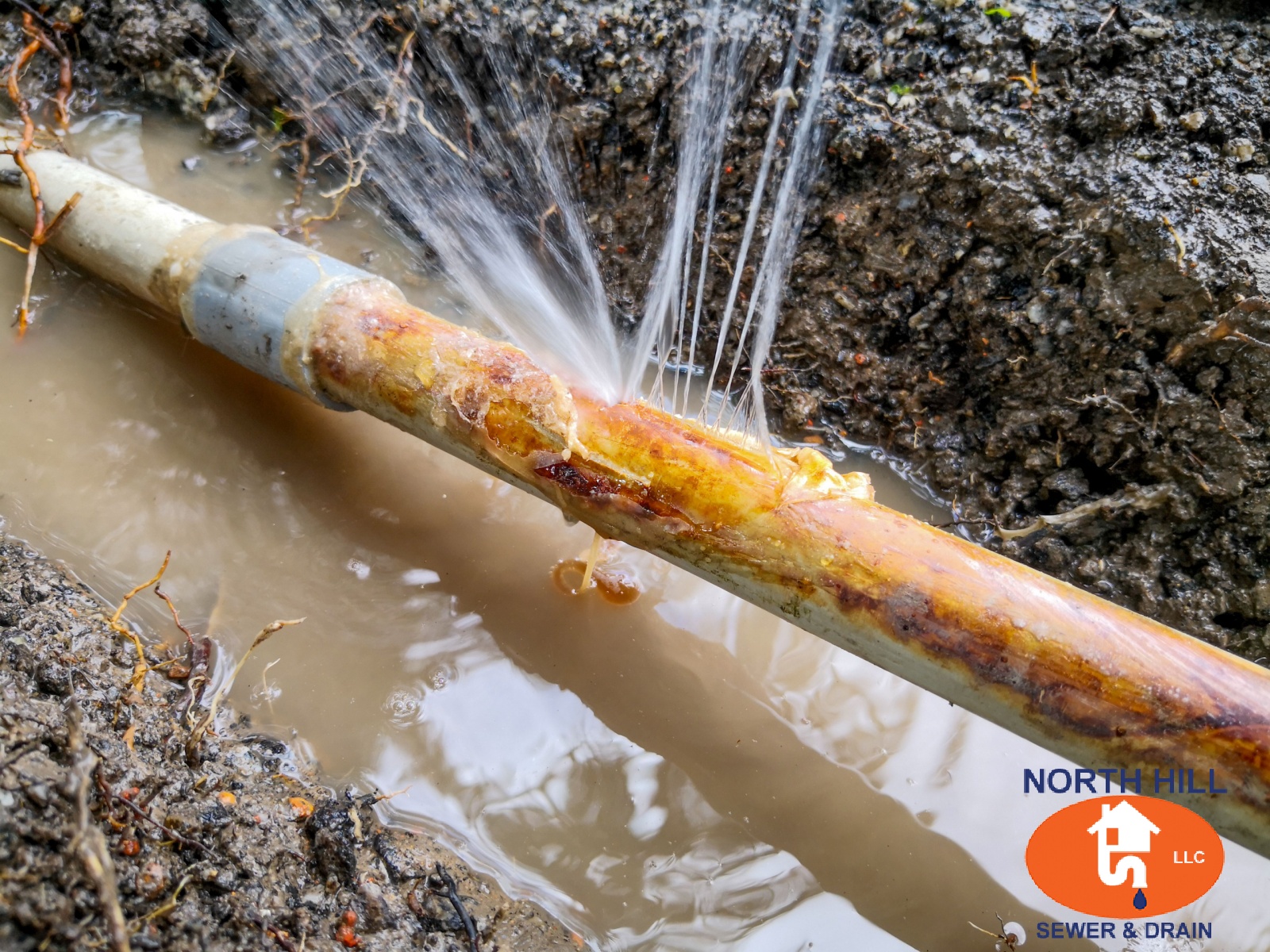
Every sewer pipe has a limited lifespan.
Older homes may still rely on clay, cast-iron, Orangeburg, or aging concrete sewer pipes. Each material deteriorates differently, but none lasts forever.
Cast-iron pipes can corrode internally until sections become thin enough to crack or collapse. Clay pipes are durable but may separate at their joints as the surrounding soil shifts. Older fiber-based pipe materials can soften, deform, or fail entirely after decades underground.
As pipes age, even routine wastewater flow can expose weaknesses that eventually require professional sewer line repair.
Corrosion Weakens Sewer Systems
Corrosion develops slowly, making it difficult to detect without professional equipment.
Inside older metal pipes, years of wastewater exposure gradually eat away at the pipe walls. The rough interior created by corrosion catches debris more easily, increasing the likelihood of recurring clogs.
Eventually, corrosion can create holes, leaks, or structural failure that allows surrounding soil to enter the pipe while wastewater escapes into the ground.
Homeowners experiencing repeated drainage problems often benefit from sewer camera inspections because the condition of the pipe can be evaluated before repair recommendations are made.
Shifting Soil Places Stress on Underground Pipes
The ground beneath a home rarely remains perfectly stable.
Seasonal moisture changes, heavy rainfall, drought conditions, nearby construction, and natural settling all cause soil movement over time. As the surrounding ground shifts, underground sewer pipes experience increasing pressure.
This movement can lead to:
- Pipe separation
- Offset joints
- Cracks
- Sagging sections
- Complete pipe collapse
Even slight movement may create openings where tree roots begin entering the sewer system.
Heavy Vehicles Can Damage Buried Sewer Lines
Many homeowners are unaware that parking heavy vehicles above buried sewer lines can create significant stress.
Large recreational vehicles, construction equipment, or delivery trucks may compress the soil enough to damage aging pipes below the surface.
If landscaping projects or driveway improvements are planned, identifying the sewer line location beforehand helps reduce unnecessary risk.
Comparing Minor Damage Versus Major Failure
Not every damaged sewer pipe requires complete replacement.
Minor issues may include:
- Small cracks
- Limited root intrusion
- Isolated joint separation
- Localized corrosion
These situations may qualify for targeted repairs depending on the pipe’s overall condition.
Major damage often involves:
- Collapsed pipe sections
- Extensive corrosion
- Multiple structural failures
- Widespread root intrusion
- Severe pipe misalignment
A professional inspection determines whether localized repairs or larger replacement projects provide the most practical long-term solution.
Many homeowners explore trenchless sewer repair after learning that some damaged sewer lines can be restored with minimal excavation.
Warning Signs That Should Never Be Ignored
Sewer problems usually develop gradually before becoming emergencies.
Watch for warning signs such as:
- Multiple slow drains
- Frequent drain backups
- Gurgling toilets
- Sewage odors indoors or outdoors
- Water backing into tubs or showers
- Wet areas developing in the yard
Responding early often limits repair costs while preventing water damage inside the home.
Preventing Future Sewer Damage
Although aging cannot be stopped, homeowners can reduce many of the risks associated with sewer line failure.
Routine inspections allow developing problems to be identified before structural damage becomes extensive. Avoid planting large trees directly above sewer lines whenever possible, and never ignore recurring drain issues that continue returning after temporary clearing.
Preventive maintenance generally costs far less than emergency excavation or restoring water damage caused by a major sewer backup.
Homeowners can also benefit from understanding signs your sewer line needs repair so developing problems receive attention before they become significantly more expensive.
Frequently Asked Questions
What is the most common cause of sewer line damage?
Tree root intrusion is one of the leading causes of sewer line damage because roots naturally seek moisture and can enter small cracks or loose pipe joints.
Can shifting soil really break a sewer pipe?
Yes. Soil movement from settling, heavy rainfall, drought, or nearby construction can place stress on underground pipes, causing cracks, joint separation, or collapse.
How do I know if my sewer line needs repair?
Common warning signs include recurring drain backups, multiple slow drains, sewage odors, gurgling toilets, and wet areas in the yard above the sewer line.
Is a camera inspection necessary before sewer line repair?
A sewer camera inspection allows plumbers to identify the exact location and cause of the damage, helping ensure the most effective repair method is recommended.
Protect Your Sewer Line Before Small Problems Become Major Repairs
Tree roots, corrosion, shifting soil, and aging pipes are all common reasons homeowners eventually need sewer line repair. Addressing these issues early can prevent larger repairs, reduce property damage, and keep your plumbing system operating reliably. If you have noticed warning signs of sewer problems in Brier, call North Hill Sewer & Drain at (206) 202-3280. Our experienced team can inspect your sewer system, identify the source of the damage, and recommend the right repair solution for your home.


